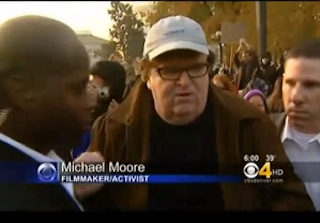
The streets of Denver at the height of the Occupy movement became the unexpected stage for a fiery confrontation between acclaimed documentary filmmaker Michael Moore and a local CBS reporter. At the heart of the dramatic exchange was a question that has long dogged wealthy activists: the size of their personal fortune. When CBS-4 reporter Evrod Cassimy pressed Moore on his rumored $50 million net worth, the filmmaker’s measured demeanor quickly dissolved into an intense accusation: “You lie!” This public clash captured headlines, offering a vivid glimpse into the complexities of advocating for economic equality while navigating personal wealth, and forever associating the phrase with the moment a denver reporter confronts michael moore 50 million net worth.
The Fiery Confrontation: A Reporter's Query Meets Filmmaker's Fury
The incident unfolded during the Occupy Denver protests, a movement rooted in challenging economic inequality and the influence of wealth. Michael Moore, a prominent voice often critical of corporate power and vast wealth disparities, was a natural figure to be present. However, his presence also made him a target for questions about his own financial standing. While a prior confrontation with a conservative blogger had passed relatively quietly, the encounter with CBS-4's Evrod Cassimy was anything but. Cassimy, approaching Moore with a microphone, directly addressed the elephant in the room: Moore's "rumored" $50 million net worth.
Initially, Moore seemed to handle the inquiry with a degree of composure, openly admitting, “I do very well.” He even leveraged the opportunity to reiterate his core message, adding, “Because I do well, I want taxes raised on people who do well, including mine.” This response aimed to align his personal circumstances with his political advocacy, suggesting that his wealth did not preclude his belief in progressive taxation. However, when Cassimy pressed for a more specific confirmation of the Moore's Occupy Denver Clash: The 50M Net Worth Question, the tone dramatically shifted.
“I don’t have $50 million,” Moore retorted, visibly growing agitated. Cassimy, perhaps attempting to de-escalate or clarify, countered, “That’s what it’s rumored you are worth.” It was this reliance on "rumor" that seemed to ignite Moore's anger. He seized on the phrasing, challenging the reporter's methodology: “Well, really? Is that what you do is sell rumors?” The exchange quickly escalated from a professional inquiry to a deeply personal accusation. Moore placed his hand on Cassimy's shoulder, shaking him slightly, and declared, “You’re just punk media is all you are.” The culminating moment, etched into the public consciousness, was his pointed, growling indictment: “You lie. You lie to people. Stop lying to people. Stop lying.” This intense moment firmly cemented the narrative of a denver reporter confronts michael moore 50 million net worth, leaving an indelible mark on the public perception of both figures.
Beyond the Growl: Deconstructing Michael Moore's Stance on Wealth
The passionate outburst by Michael Moore at Occupy Denver, while dramatic, overshadowed some of his more nuanced arguments about personal wealth and political activism. It’s crucial to understand that Moore, like many public figures, has consistently articulated a perspective where earning substantial wealth does not inherently contradict a stance against wealth inequality. His argument, often repeated, is twofold:
- Advocacy for Progressive Taxation: Moore openly states that he earns a significant income and believes that individuals like himself should be taxed at higher rates. This position aligns with the broader goals of movements like Occupy, aiming to redistribute wealth and fund public services.
- Wealth as a Tool for Change: Moore maintains that his earnings are primarily reinvested into his film projects. These documentaries, often critical of corporate America, economic disparities, and political injustices, are his primary means of activism. In this view, his wealth is not accumulated for personal luxury alone but serves as a crucial resource to produce more impactful, socially conscious media. This perspective suggests that his financial success enables him to continue his work as a prominent critic of the very systems that generate such wealth.
The perception of a wealthy individual criticizing wealth can be a complex tightrope walk. Critics often accuse such figures of hypocrisy, arguing that their personal affluence undermines their credibility. However, as the Occupy movement itself illustrated, many millionaires and even billionaires supported the call for higher taxes on the wealthy. This suggests that holding significant assets and believing in fairness, or advocating for systemic change, are not mutually exclusive. For a more comprehensive understanding of his views, Michael Moore's Wealth: Taxes, Films, and the Occupy Protest provides additional context.
Moore's challenge, therefore, is less about the fact of his wealth and more about effectively communicating his philosophy behind it, especially when confronted by a denver reporter confronts michael moore 50 million net worth based on "rumors." The incident highlighted the difficulty public figures face in controlling the narrative around their financial status, particularly when it becomes a distraction from their core message.
Navigating the Net Worth Narrative: Lessons from the Denver Incident
The encounter between Michael Moore and Evrod Cassimy offers valuable lessons for both journalists and public figures alike. For journalists, the incident underscored the importance of diligent research and precise language. Cassimy's reliance on "rumored" net worth, rather than citing specific reports or audited figures, provided Moore with an immediate and potent point of attack. While probing questions about wealth are legitimate, especially for public figures who advocate for economic change, the foundation of such questions must be factual and verifiable to maintain journalistic integrity and prevent accusations of "selling rumors."
Tips for Reporters:
- Verify Sources: Always cite credible reports or official documents, not vague "rumors," when discussing sensitive personal information like net worth.
- Focus on Policy, Not Just Personalities: While personal wealth can be relevant, frame questions to link it to the public figure's policy positions or impact on their message.
- Maintain Professionalism: Be prepared for strong reactions, but strive to keep the exchange professional and focused on the issues.
For public figures like Michael Moore, the incident highlighted the double-edged sword of celebrity and activism. While public visibility can amplify a message, it also invites intense scrutiny, particularly regarding personal finances when one advocates against economic inequality. Moore's initial response – acknowledging his success and advocating for higher taxes on himself – was a compelling and articulate defense. The subsequent escalation, however, shifted the focus from his political stance to his emotional response, potentially detracting from his broader message about wealth distribution.
Tips for Public Figures Addressing Wealth:
- Pre-Emptive Transparency: Consider proactively addressing financial questions, perhaps by publishing statements about investments in their work or charitable contributions.
- Prepare Key Talking Points: Have concise, well-rehearsed answers ready that connect personal wealth to their mission, such as "My earnings are primarily reinvested to produce more films that challenge corporate power."
- Control the Narrative: While difficult in a live confrontation, strive to redirect the conversation back to core principles and policy rather than getting drawn into personal attacks or emotional responses.
- Acknowledge the Perceived Contradiction: Openly admitting the complexity of being wealthy while advocating for the poor can build credibility rather than invite accusations of hypocrisy.
Ultimately, the moment a denver reporter confronts michael moore 50 million net worth at Occupy Denver remains a powerful case study in media relations, public perception, and the ongoing debate surrounding wealth, activism, and accountability. It served as a stark reminder that in the public eye, even well-intentioned questions can ignite unexpected firestorms.
The dramatic clash in Denver transcended a simple exchange between a reporter and a public figure; it became a symbol of the inherent tension when celebrity activism intersects with personal wealth. Michael Moore's emphatic "You lie!" in response to questions about his rumored $50 million net worth underscored not only his personal frustration but also the broader media challenges surrounding public figures who advocate for economic change. While the incident may have been a public relations headache, it ignited conversations about journalistic ethics, the transparency of wealth, and the nuanced position of being a prosperous critic of prosperity. It remains a memorable chapter in the ongoing narrative of wealthy individuals standing with movements against inequality, forever marking the moment a denver reporter confronts michael moore 50 million net worth with profound and fiery results.
